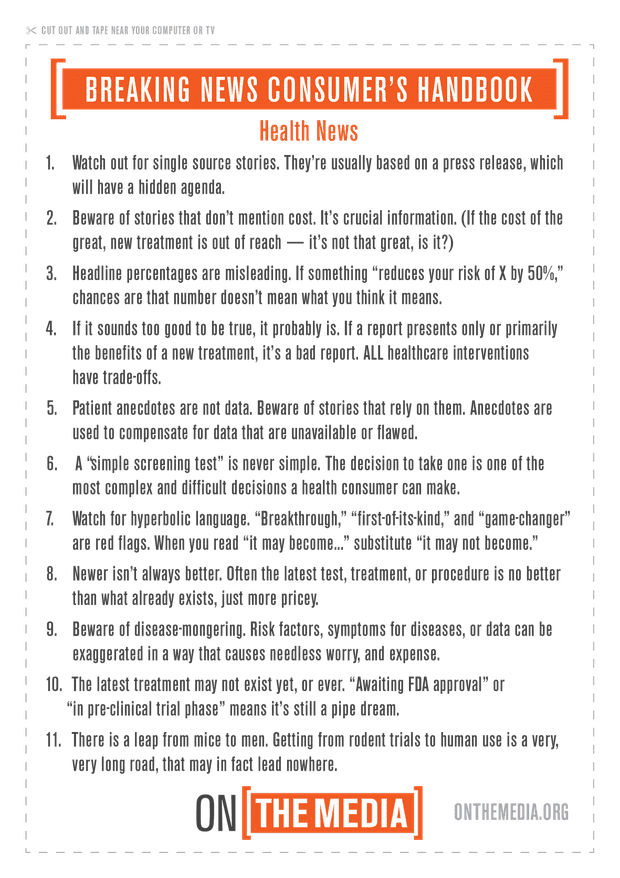
Yet another dry news cycle ushers in a slew of extremely shoddy health and nutrition news reporting, grasping for any sensational quip that get people to click. With headlines like "Fat is Back" and "A High Fat Diet is Healthier," the media is
sadly reporting on a
recently published meta-analysis as though it was a rebuke of all the science we already know about fat and claiming new evidence shows that Dr. Atkin's was right: A high-fat is good for us.
Wait a minute? Doesn't that go against
the advice of the World Health Organization who have been reporting on health outcomes for the last 60+ years? The WHO says the optimal amount of saturated fat in the human diet is effectively zero. As far as total fat, they say the best outcomes are when we keep it under 30% of total calories...which by the way is not even close to the low-fat whole food vegan diet that doctors like Campbell, Esselstyn, McDougal and Brooks prescribe that have actually worked for their patients.
So how could this new study say the opposite?
First of all, this "new" study isn't new at all. It is a meta-analysis, meaning that no new research was conducted, it simply pools together research that has already been published. So the only thing "new" about this study is that depending on the design, it can pool particular studies to find associations favorable toward one outcome or another. Meta-analysis studies are particularly sensitive to study design because of the potential for selection bias, e.g. if I only pick studies favorable to the outcome I want to find. They have other limitations too but the point is that if this were truly news, why didn't it show up in the original studies that were already published?
Because that's not what they show. The peer reviewed studies simply show that replacing unhealthy eating patterns with healthier ones like the Mediterranean which are rich in vegetables, fruits, nuts, and yes some plant oils, fish and meat -- that these healthier eating patterns...guess what? They have healthier outcomes: less heart attacks. The problem isn't what this meta-analysis says, it's how the media has been reporting it:
Unfortunately, the average reader of these popular publications and web sites will see these headlines repeated again and again and so few will actually read the link to the original article which tells a very different story.
One very important thing to remember is that even if we play devil's advocate and take the premise that eating a higher fat diet could be more protective against heart attacks, that 1) It still showed no effect in all-cause mortality, ie. they were still dying of other things, perhaps cancer or other disease. And 2) No matter how good proponents of an atkins, paleo, or other high-fat diet may be, there's still ONLY one diet that has been proven to halt and reverse hart disease: a whole foods plant based diet.
If one is seeking optimal nutrition or diet advice, should we look to the one that shows less disease? Or choose the one that has been proven to eliminate the disease altogether?
Here's what the WHO says which is consistent with a well reviewed, scientific consensus of all the best peer reviewed science around the world:
Fats
Reducing the amount of total fat intake to less than 30% of total energy intake helps prevent unhealthy weight gain in the adult population (1, 2, 3).
Also, the risk of developing NCDs is lowered by reducing saturated fats to less than 10% of total energy intake, and trans fats to less than 1% of total energy intake, and replacing both with unsaturated fats (2, 3).
Fat intake can be reduced by:
- changing how you cook – remove the fatty part of meat; use vegetable oil (not animal oil); and boil, steam or bake rather than fry;
- avoiding processed foods containing trans fats; and
- limiting the consumption of foods containing high amounts of saturated fats (e.g. cheese, ice cream, fatty meat).